Come sgominare i parassiti statali

Sono recentemente tornato da Edimburgo, città che oltre ad essere piovosa e pittoresca, ha ospitato una conferenza sui Virtual Research Environments, argomento oscuro ai più e soprattutto impossibile da spiegare a nonna quando mi chiede «Ma di che parlate quando fate queste riunioni?». Ora, quando dico «nonna» non fate l’errore di immaginare una novantacinquenne mansueta e rimbambita. Lei è semplicemente la punta di diamante di una generazione che ha attraversato - rinforzandosi - una guerra, il sessantotto, il boom economico, canale cinque, Mike Buongiorno, le soap opera e Young Signorino: è sveglia, ha sempre la risposta pronta, impossibile da ingannare, abile nel raggirare, arduo piegarla alla propria volontà. In pratica un caterpillar. E’ su questi soggetti che dovrebbero fare i film. Robocop e i supereroi della Marvel a confronto sembrano verginelle alla prima notte di nozze. ...

21 luglio 2018 · Daniele Bailo

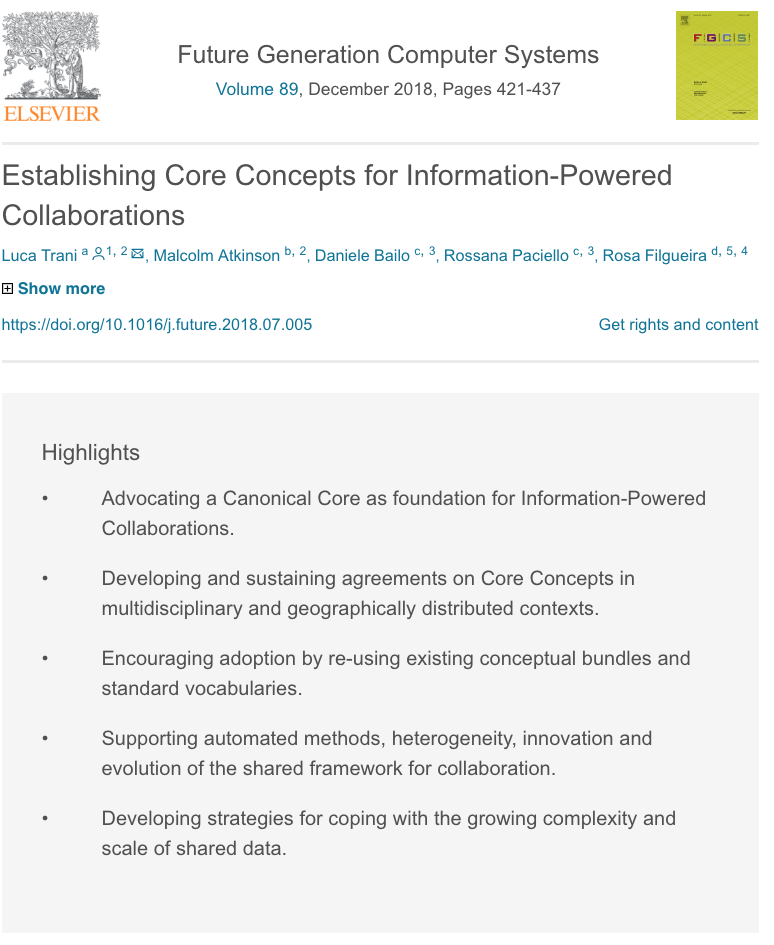
New Paper: Establishing Core Concepts for Information-Powered Collaborations

I’m particularly proud to share this nice work we did with the coordination of Luca Trani. I hope this will pave the way for future developments and official “acknowledgement” of the EPOS-DCAT-AP extension. ...

16 luglio 2018 · Daniele Bailo

Virtual Research Environment, Science Gateways, Virtual Laboratories. What's the difference?

A debate is currently active, mostly between some of the major players in the field of Virtual Research Environments, i.e. VRE4EIC and other European project teams. They are trying to define commonalities and differences among Virtual Research Environments (VRE), Science Gateways (SG) as used in North America and Virtual Laboratories (VL) as used in Australia_._ A general agreement was found on the definition of a VRE, that usually provides not only access to ICT services, data, software components and equipment but also provides a collaborative working environment for cooperation and supports the research lifecycle from idea to publication while also supporting research management and administration. ...

29 giugno 2017 · Daniele Bailo

Italia - España connection

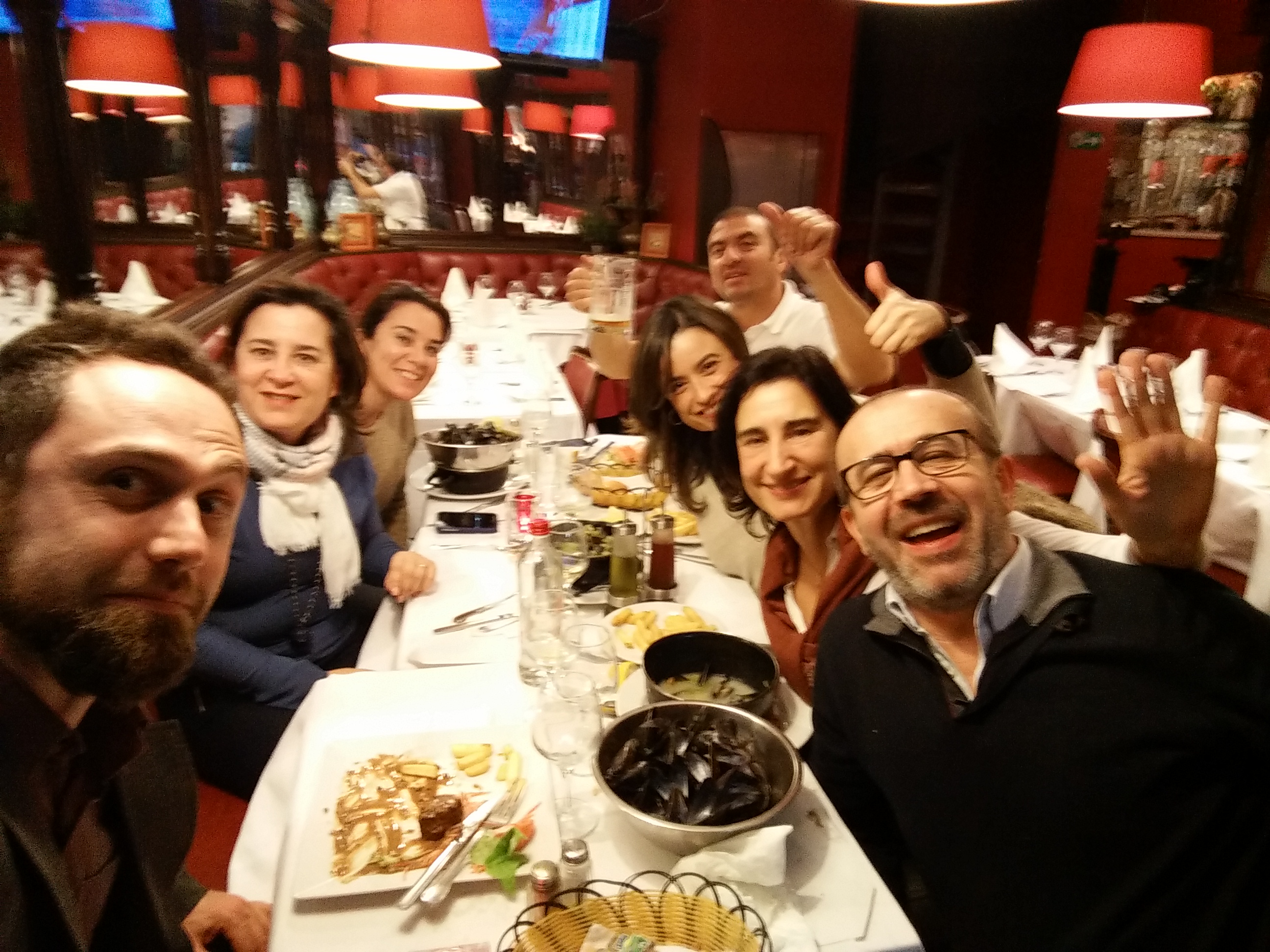
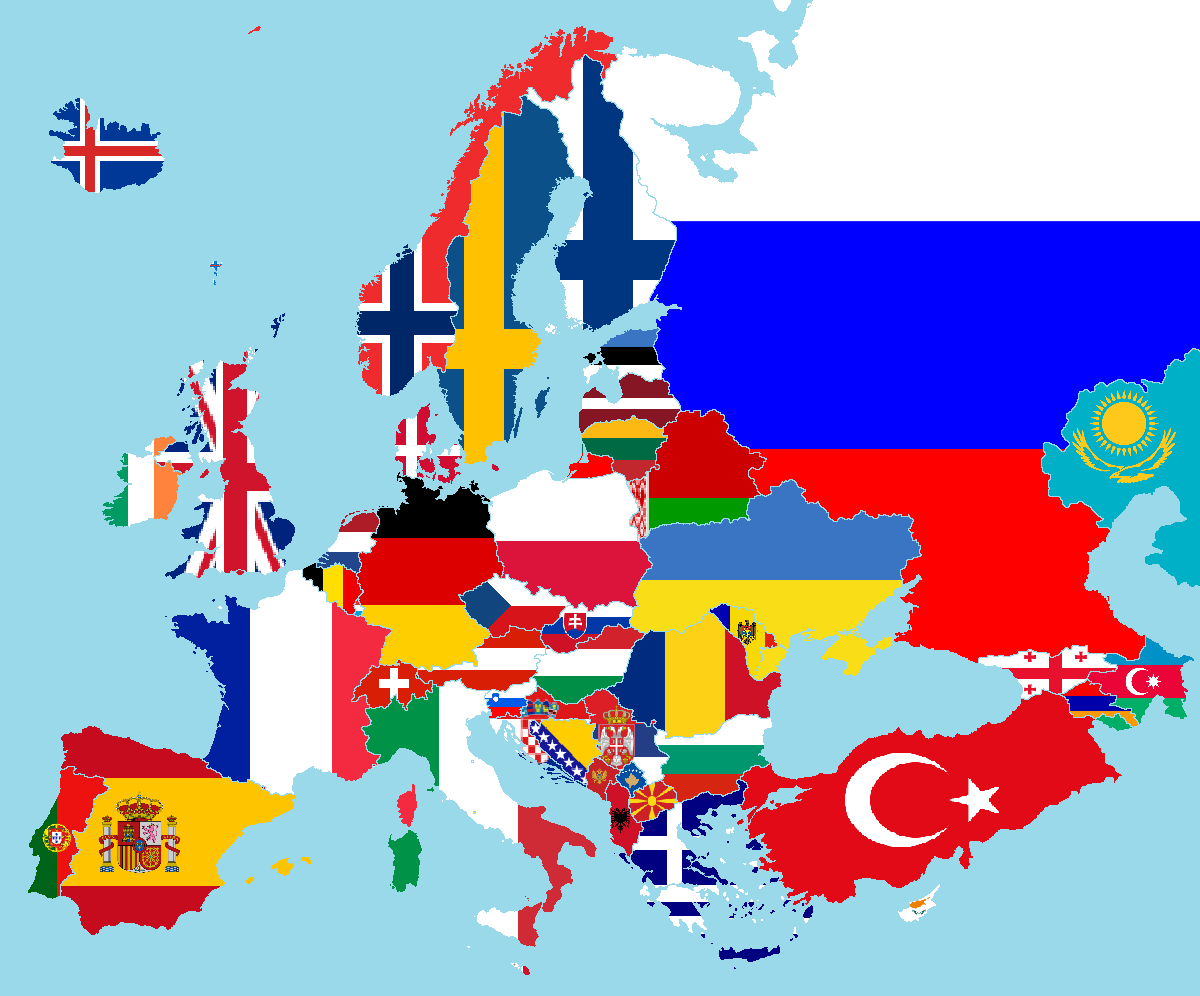
This post is just an homage to my new Spanish friends. The story is pretty simple. I’ve found myself in Brussels because of my job, as it often happens. This time it was for one day only, so I got to Brussels the evening before the meeting, and I was around, alone. I then went for a beer (at the wonderful Delirium Café ) were I stumbled upon 3 Spanish people. You know, it was quite simple to get in touch with them. We - the Italians - and the Spanishes don’t have any particular probelm in gettin in touch with others and talk (on the contrary, often the problem is to make us stop talking… but that’s another story…). So, to make the long story short, the three Spanishes were part of a bigger group, coming mainly from Madrid and Extremadura (Merida). A group of friends who - once each year - take some days off in the Carnival period and go to one European city. Wonderful! Simply wonderful. I could practice my Spanish (which is not dead actually, even though the real mystery remains: where the heck did I learn Spanish? I can’t remember… but it doesn’t matter…). In the end we had a dinner together, and they were so nice that they even offered the dinner. Great! ...

8 febbraio 2016 · Daniele Bailo

Scienza e social media - Part IV (the end)

Dopo aver visto in un post precedente alcuni dei motivi tecnologici successo dei social networks, vediamo ora quale sia la nuova ricchezza in questa era social, e quali siano le opportunità e i rischi per la scienza in questo scenario. 4 La nuova ricchezza: i dati e lo stream Nello scenario sin qui mostrato, la nuova ricchezza è costituita quindi da una parte dai dati e dal loro possesso, dall’altra dalla possibilità di condividerli e di avere questo ‘flusso continuo’ (il cosiddetto ‘stream’) sempre aggiornato. Il possesso di dati può essere in maniera abbastanza semplice correlato ad una ricchezza economica: le possibilità offerte dagli strumenti statistici e informatici di esplorare i dati (data mining) permette infatti di trarre informazioni preziose utilizzabili strategicamente in ambito economico. Questa azione, tra l’altro, viene promossa a livello intercontinentale (Stati Uniti ed Europa) con azioni che tendono a diffondere le politiche di open data, ovvero politiche che favoriscono l’apertura a tutti di tutti i dati (si vedano i due esempi italiani, a livello nazionale e regionale). Il flusso dei dati (lo stream) è altrettanto prezioso poichè attrae una grande quantità di utenti: è quello che succede su facebook quando si consulta la propria “bacheca” in cerca delle novità degli amici. Questo garantisce quindi una presenza costante di utenti, a cui è possibile veicolare messaggi pubblicitari e che possono inoltre essere in un certo modo ‘indirizzati’ a contenuti di interesse (pubblicità, siti compravendita online ecc). In questo contesto prenderemo in esame gli aspetti più legati alla scienza. ...

19 dicembre 2015 · Daniele Bailo

Scienza e social media - Part III

Dopo aver visto in un post precedente cosa siano i social network ed alcuni dei motivi sociali del loro successo, vediamo ora alcuni delle ragioni tecnologiche della loro immensa diffusione. 3 Motivi tecnologici del successo dei Social Networks I bisogni descritti sopra hanno potuto, tuttavia, trovare soddisfazione almeno parziale anche e soprattutto grazie all’evoluzione tecnologica senza precedenti nella storia dell’umanità, che ha reso possibile la diffusione dei SN per mezzo di: ...

17 dicembre 2015 · Daniele Bailo

Scienza e social media - Part II

Dopo aver introdotto l’argomento in un post precedente, passiamo al cuore del tema: cosa sono i social network ed i motivi sociali del loro successo. Cos’è un social network Un social network (SN da ora in poi), o rete sociale, è una piattaforma informatica generalmente accessibile tramite world wide web (www) che permette ad utenti e gruppi di utenti di interagire condividendo informazioni e dati. Tali reti sono normalmente tematiche (ad esempio dedicate alla musica, o alle scienze, o all’amcizia etc) anche se allo stato dell’arte le più diffuse, come facebook, tendono ad integrare utenti ed interessi diversi. ...

15 dicembre 2015 · Daniele Bailo

Scienza e social media - Part I

Sono passati poco più di dieci anni da quando uno studente della Harvard University ha gettato le basi per quello che - allo stato dell’arte - è il network che quasi automaticamente viene associato all’espressione “social network”: Facebook. M.Zuckerberg - questo è il nome dell’oramai ex-studente, novello milionario - ha saputo farsi portavoce e interprete dell’aspetto sociale della rete, che ha favorito in un tempo relativamente ridotto, se paragonato alle centinaia di migliaia di anni che ci sono voluti all’uomo per introdurre ad esempio l’uso del ferro, una diffusione enorme e capillare dell’utilizzo dei computer e, più nello specifico, del web. ...

13 dicembre 2015 · Daniele Bailo

Communication and Dissemination for European Projects (#2)

In a previous post we introduced the importance of communication within the context of European funded Projects, and we defined three different modules to establish an efficient communication: A) Internal Communication Tools B) Communication Activities C) Website After describing the list of tools for internal communication, we will now deal with the Communication Activities and the website. Why do we need Communication activities? They are the core of internal (among project members) and external (external stakeholders) communication, and define how the various actors of the projects (project members, scientists, external stakeholders, funding agencies, common citizens etc.) communicate. They are usually explained all through the Communication Plan. ...

21 settembre 2015 · Daniele Bailo

Communication and Dissemination for European Projects (#1)

Communication is often considered a structural pillar in several domains. Of course commercial domain makes wide use of any kind of communication “tool” (e.g. social networks, communication techniques as “story telling”, or the old well-known commercial ads) in order to engage users and - in the end - increase profit. However the importance of Communication has been recognised as relevant also in the field of science, and in particular of the Science Projects funded by the European Community. Documents like Communicating EU research and innovation: guidance for project participants demonstrate how serious this issue has been taken by the EU. In addition, almost all EU projects I’ve come across, include a Communication Working Package. This issue - or better this challenge - needs at least two ingredients to be properly tackled: a good Communication Plan the know how and technical tools which are, in the end, the substance of the communication itself. They include all the technical tools (e.g. teleconferencing tools) and best practices which must be used to carry on an effective communication based on the communication plan. In this post I’ll deal with the second aspect, reporting the experience we had in the context of the EPOS european project and providing some thoughts, guidelines and - most importantly - our experience about the creation of all the tools we needed to set up an efficient communication. We called it Communication & Management Toolkit. HEADER IMAGE Di Sceptre (Opera propria) [Public domain], attraverso Wikimedia Commons ...

10 settembre 2015 · Daniele Bailo