INGV assume 3 tecnici informatici per piattaforma EPOS

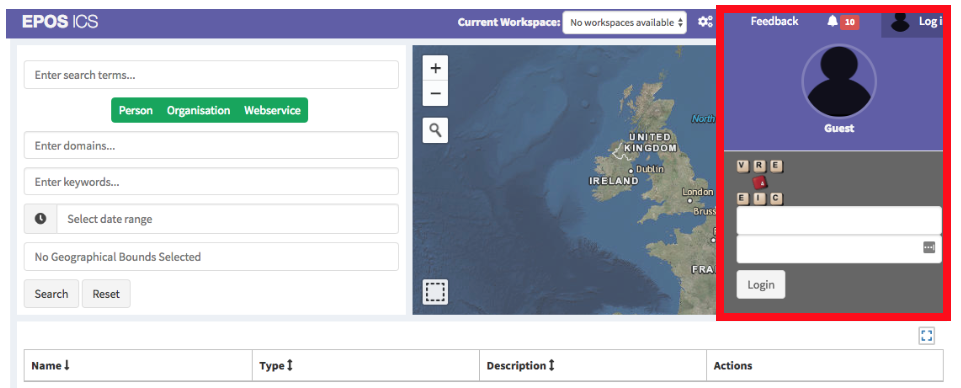
3 Posizioni Aperte Istituto Nazionale di Geofisica e Vulcanologia EPOS – European Plate Observing system Stiamo cercando tre figure professionali di tecnico informatico per collaborare alla realizzazione di un’infrastruttura di ricerca europea innovativa con l’obiettivo di integrare dati delle scienze della Terra solida (https://www.epos-eu.org/). L’integrazione avviene tramite una piattaforma, l’EPOS Data Portal, che permette di ricercare, scaricare e analizzare dati delle comunità scientifiche da un’unica piattaforma e interfaccia web basata su mappa, con dati geolocalizzati. ...

30 marzo 2022 · Daniele Bailo

Managing collaborative software developments in International Initiatives: how to optimize resources and time.

Facing reality There is a truth that we are all reluctant to admit: many EU funded initiatives in the research domain aim at producing software-related deliverables, but when coming to the real day-to-day work, releasing even small piece of working software is very challenging. Project partners have different approaches, different technical practices, different off-the-shelf software products that need to be harmonized or sometimes divergent ideas and different cultural backgrounds. That’s the beauty and the challenge of EU initiatives. COVID-19 made things even worse by hindering the possibility of having face to face meetings, where - everybody knows but just a few people say it – agreements and decisions are taken in “social” contexts (yes, I mean coffee breaks and working dinners). ...

21 dicembre 2021 · Daniele Bailo

EPOS Data Portal: una piattaforma FAIR per l'accesso a dati e servizi multidisciplinari delle Scienze della Terra solida

Arrivano dei momenti in cui, magari in maniera quasi inaspettata, ci si ritrova a tirare le somme di tutto il lavoro fatto negli anni precedenti. Quel tipo di lavoro certosino, fatto di piccole limature quotidiane, di microscopici avanzamenti di cui forse nemmeno ci si rende conto. Anzi, a volte sembra di rimanere fermi. Poi arrivano queste occasioni in cui…. BUMM…. tutto viene illuminato da una nuova luce e il puzzle si ricompone. ...

7 ottobre 2021 · Daniele Bailo

The three components to ENVRI-hub success

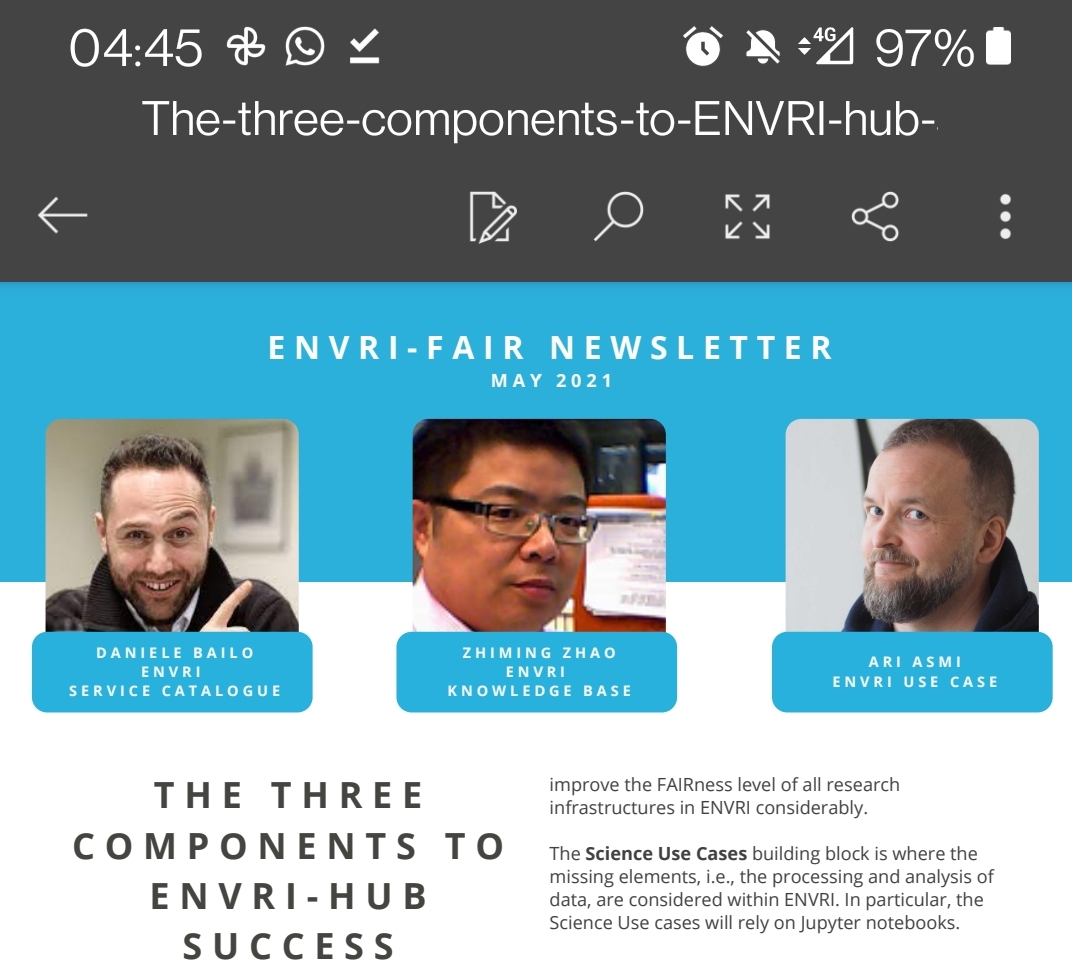
Interview with Daniele Bailo, Zhiming Zhao, and Ari Asmi who explain to you the key components forming the ENVRI-hub – the ENVRI Catalogue of Services, ENVRI Knowledge Base and ENVRI Use Cases. Daniele, can you explain a little bit more in detail what are these three components crucial to ENVRI-hub? Daniele: These are three distinct but complementary elements used as containers to convey the provision of heterogeneous datasets, services, and software in ENVRI. ...

1 giugno 2021 · Daniele Bailo

Principi e Dati F.A.I.R.: cosa sono? (Perché) ne abbiamo bisogno?

Da qualche anno a questa parte - diciamo circa tre anni - nel mio ambito si sente spesso parlare dei principi F.A.I.R: amati dai funzionari Europei, guardati con sospetto dagli ingegneri informatici, approvati in parte dagli scienziati, questi principi hanno un consistente impatto negli ambiti della ricerca che in qualche modo hanno a che fare con i dati e la loro condivisione. Domanda: quale ambito della ricerca non ha a che fare con i dati e loro distribuzione? Risposta: quasi nessuno. Inferenza logica: i principi FAIR (“evviva!" oppure “ahimé") riguardano un po’ tutti i ricercatori. ...

4 novembre 2020 · Daniele Bailo

INGV assume 3 tecnici informatici su EPOS

3 Posizioni Aperte Istituto Nazionale di Geofisica e Vulcanologia EPOS – European Plate Observing system Stiamo cercando tre figure professionali di tecnico informatico per collaborare alla realizzazione di un’infrastruttura di ricerca europea innovativa con l’obiettivo di integrare dati e servizi nel dominio delle scienze della Terra solida. L’integrazione avviene tramite un sistema avanzato, gli Integrated Core Services (ICS), che permette di ricercare, scaricare e analizzare dati delle comunità scientifiche da un’unica piattaforma e interfaccia web basata su mappa, con dati geolocalizzati. Il bando di concorso è finanziato dal progetto EPOS-MIUR, la durata del contratto è pari a un anno, con la possibilità di rinnovo. L’inquadramento avverrà nel profilo professionale di Collaboratore Tecnico Enti di Ricerca (livello VI). Il bando di concorso è stato pubblicato sulla Gazzetta Ufficiale n. 79 del 04.10.2019. Il testo completo è disponibile all’indirizzo: http://istituto.ingv.it/it/amministrazionetrasparente/disposizioni-generali/atti-generali/atti-amministrativi-generali/decreti-e-delibere/anno-2019-1/decreti-del-direttore-degli-affari-amministrativi-e-del-personale-2/13061-n-475-concorso-pubblico-per-n-3-posti-di-cter-vi-livello-a-tempo-determinato-codice-bando-3cter-rm1-09-2019/file.html E qui: http://istituto.ingv.it/it/amministrazionetrasparente/bandi-di-concorso/concorsi-pubblici/tempo-determinato-2019.html ...

6 ottobre 2019 · Daniele Bailo

EPOS Integrated Core Services Architecture Basics - TUTORIAL

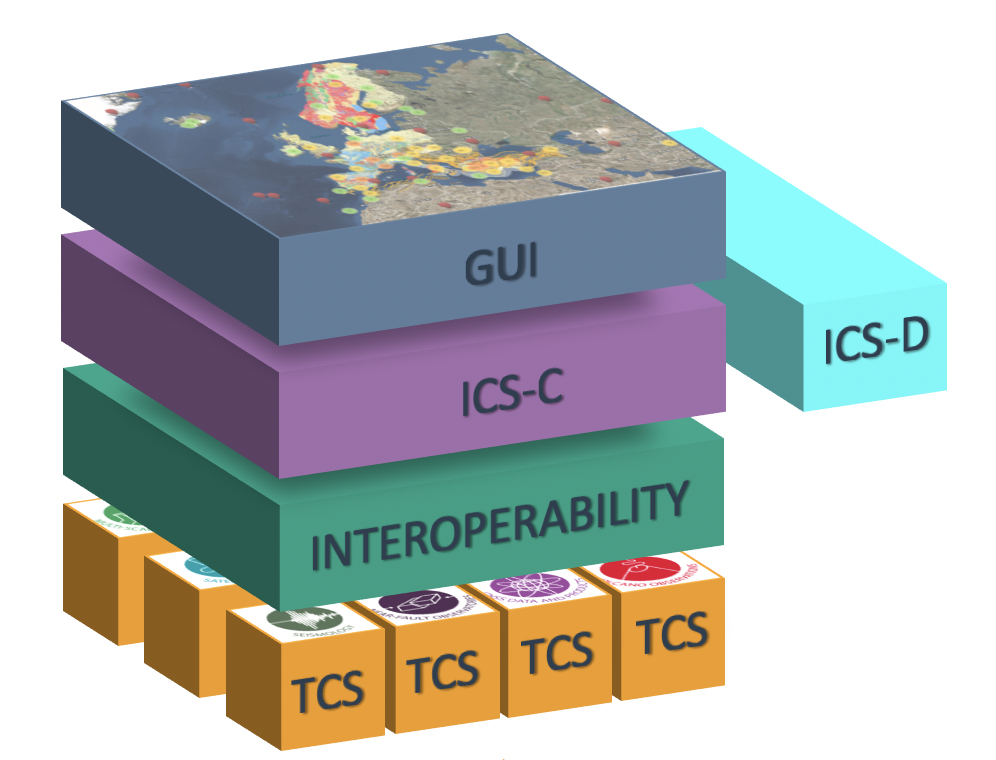
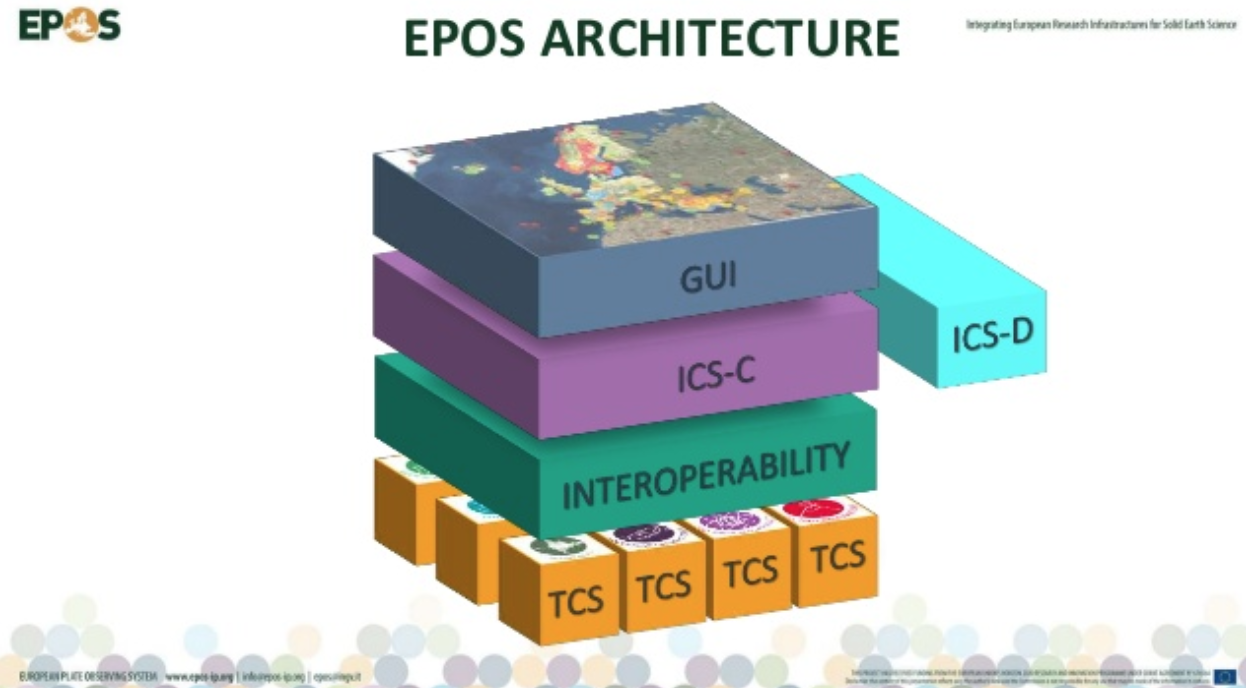
 Bailo, Daniele; Paciello, Rossana The presentation outlines the basics of the EPOS Integrated Core Services Central hub, a system for integrate Data, Data Products, Software and Services provided by European data providers in the domain of Solid Earth Sciences. The main architecture is shown and the technological choices are presented and discussed. [slideshare id=154898130&doc=2019-190711094106&w=400&h=300]

11 luglio 2019 · Daniele Bailo

Tesi e Tirocini in contesto Europeo - Discipline informatiche

Ti stai per laureare o sei prossimo al tirocinio e ti piacerebbe fare un’esperienza in un contesto dinamico e internazionale? Dai uno sguardo alla proposta di Tirocinio e Tesi dello European Plate Observing System (EPOS). EPOS - European Plate Observing system Istituto Nazionale di Geofisica e Vulcanologia EPOS (www.epos-eu.org) è una infrastruttura di ricerca europea innovativa che ha lo scopo di integrare dati e servizi nel dominio delle scienze della Terra solida. Si tratta di dati e servizi relativi a terremoti, eruzioni vulcaniche, deformazioni geodetiche, osservazioni satellitari e altro, che presentano un alto grado di eterogeneità in termini di tecnologie di data provision, formati e modalità di presentazione delle risorse. L’integrazione avviene tramite un sistema avanzato, gli Integrated Core Services (ICS), che permette di ricercare, scaricare e analizzare dati delle comunità specifiche da un’unica piattaforma e interfaccia web. La proposta di collaborazione rivolta a tirocinanti e tesisti interessati all’utilizzo di tecnologie innovative, mira a contribuire all’ulteriore sviluppo e ottimizzazione del sistema Integrated Core Services, e si sviluppa nei seguenti temi: database relazionali (PostgreSQL) e non relazionali (e.g. MongoDB); sistemi basati sul paradigma dei Microservizi; ottimizzazione e tuning del sistema e dei servizi; creazione di moduli Java e Python per mapping e conversione di dati e metadati; creazione e ottimizzazione interfacce grafiche con AngularJS; integrazione semantica, sviluppo e ottimizzazione di estensioni di DCAT-AP. Le attività da svolgere saranno concordate con lo studente sulla base degli argomenti di interesse. ...

10 giugno 2019 · Daniele Bailo

Enhancing Research Infrastructures with VRE4EIC components: the EPOS success story

(This article was originally written for VRE4EIC Newsletter. Follow this link to the original source). The European Plate Observing System (EPOS) highlights how its research infrastructure has become more efficient and user friendly by utilizing technology developed in the frame of the EU H2020 VRE4EIC project. In the last decades quite an amount of tools, technologies and software has been developed to support and improve research throughout the entire data lifecycle[1]. This includes software, modeling tools, and even code that can be used and re-used by researchers around the world. However, more and more emphasis has been given to the structural components that enable a Research Infrastructure[2] to be sustainable, robust and, even most importantly, compliant to the FAIR principles[3]. Such principles prescribe–in order to enable reproducible science–that data need to be findable, accessible, interoperable and reusable. It is usually up to research infrastructure designers, developers and managers to find the best architecture and technologies to enable FAIR to become reality in their scientific domain. However, looking transversally at science domains, it is clear that there is a number of challenges common to several communities, as evidenced by the common requirements elicitation and analysis of existing technical assets carried out both in the VRE4EIC and ENVRIplus project[4]. In this framework, VRE4EIC is promoting the adoption of common, standard technical solutions in order to facilitate Research Infrastructures in facing shared challenges and thus complying with FAIR principles. This is the case of the European Plate Observing System (EPOS), a Distributed Research Infrastructure long-term plan to facilitate integrated use of data, data products, and facilities from distributed research infrastructures for solid Earth science in Europe. ...
30 ottobre 2018 · Daniele Bailo

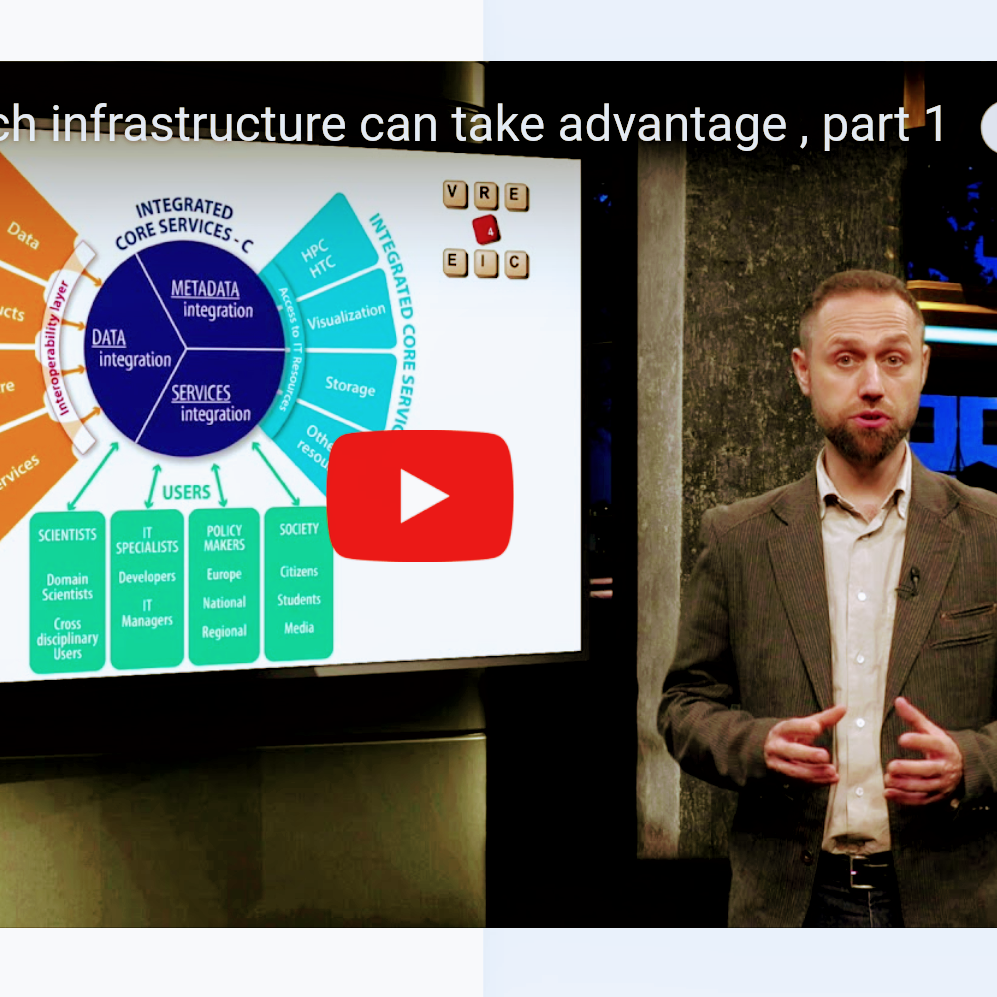
How Research Infrastructures can take advantage of interoperable VRE building blocks

Well, it’s weird: I’m at the same time proud and shy about the video we released in the framework of VRE4EIC project. It was funny: I had just landed at Schipol airport and then rushed to TUDelft university… and I found myself at the New Media Center in front of a camera, in a soundproof studio with a bright-green background, just a few people watching (or staring at? :)) me behind the soundproof glass and I had to start talking with my south European English accent (that’s the embarrassing part :)) ...

9 agosto 2018 · Daniele Bailo